What is preservation rhinoplasty?
Preservation rhinoplasty lowers a hump on the bridge without removing the bridge itself. A strip of the septum below the bridge is removed so that the bridge can be pushed down as one piece.
The original surface of the bridge, the ligaments and the cartilage are kept where possible.
How is preservation rhinoplasty performed?
A strip of the septum beneath the bridge is removed so that the bridge can be lowered as one piece. The outer surface of the bridge is not cut.
Not every nose is suitable. The shape and height of the hump and the septum are assessed at the examination.
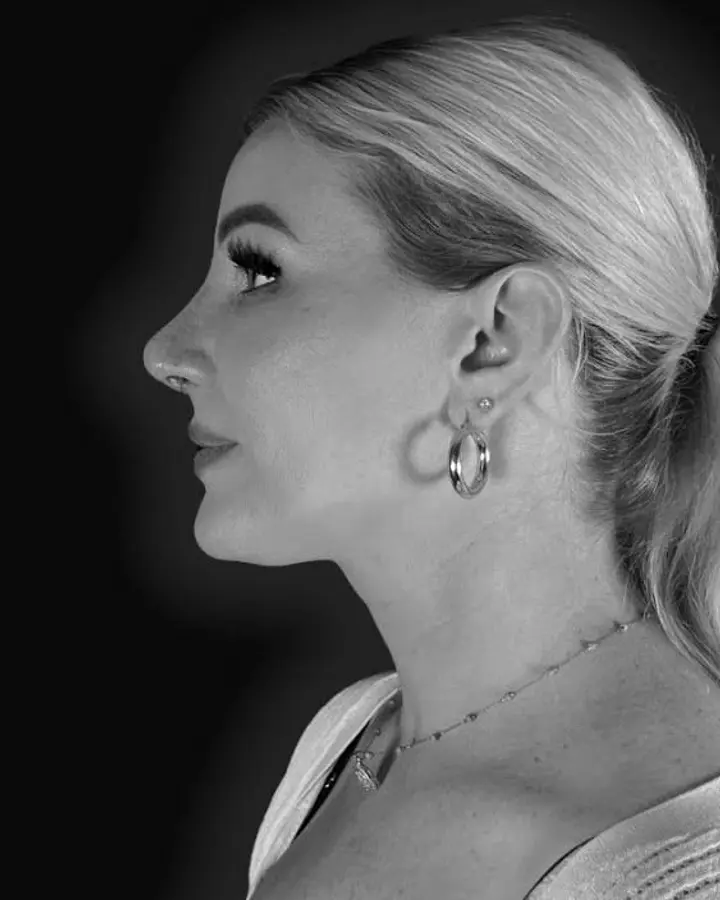
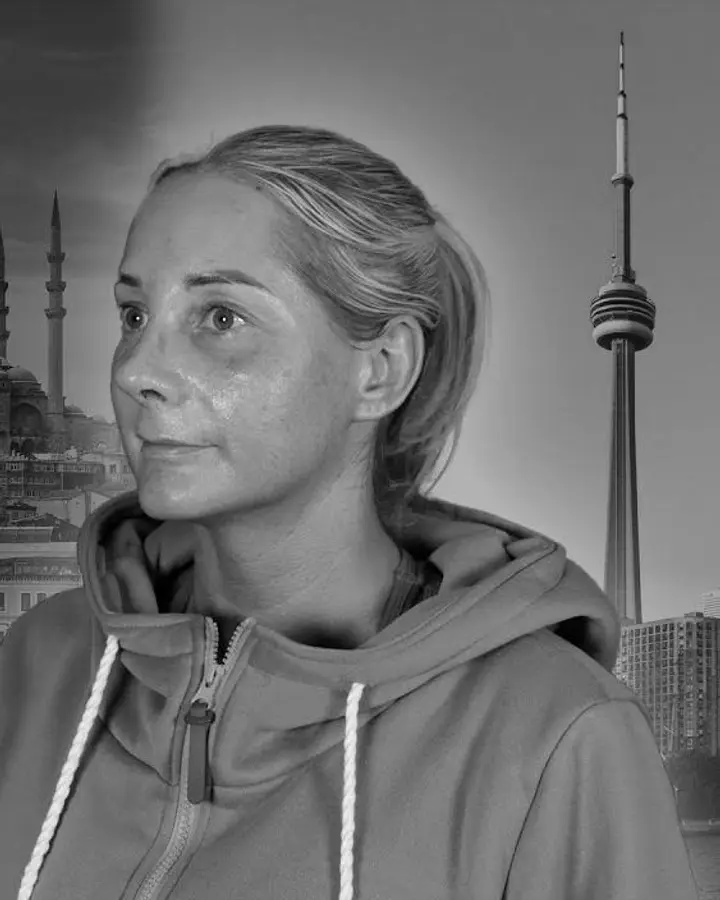
- Planning: profile photos show the shape and height of the hump and whether the bridge line is straight.
- Examination in Istanbul: the septum and the bridge are checked to confirm that the nose suits the technique.
- The operation under general anaesthesia, usually 2 to 4 hours.
- A strip of the septum below the bridge is removed, so the bridge can move down.
- The bridge is lowered as one piece, keeping its own surface, often with piezo instruments at the bony sides.
- The tip is shaped separately in the same operation if needed.
- One night in hospital, then rest at the hotel until the splint comes off after about 7 days.
Who is preservation rhinoplasty for?
- Patients with a hump and a straight bridge line.
- Less suitable for very crooked noses or noses that need major reconstruction.
When it may not be the right choice
- Very crooked noses, or noses that need major reconstruction. A structural technique suits better.
- Most noses operated on before, because the intact structure the technique needs is no longer there.
- A very large hump with a curved bridge line, where lowering may leave an irregular profile.
- Patients who are not comfortable with the small chance of a little hump returning over time.
Can breathing be treated in the same operation?
Yes. Removing a strip of the septum is part of the technique, and a deviated septum or enlarged turbinates can be corrected at the same time.
Keeping the bridge and its ligaments intact also helps keep the inside of the nose stable. Dr. Delioğlu plans the airway and the profile together.
How is the operation planned?
Not every nose is suitable. The shape and height of the hump, the straightness of the bridge and the septum are assessed at the examination.
For a very crooked nose, or a nose that needs major reconstruction, a structural technique may suit better. The surgeon explains the choice.
How much does preservation rhinoplasty cost in Turkey?
Preservation rhinoplasty in Turkey generally costs $3,500 to $6,500. The range depends mainly on the work on the tip and on breathing.
Your exact price comes with your written plan after the photo review. See the cost page for all six operations.
- How much needs to change: the bridge, the tip, the width, or all of them.
- Whether the septum and turbinates are treated for breathing in the same operation.
- Whether cartilage grafts are needed, and where they come from.
- The hospital, the length of the stay and what your package includes.
General range in Turkey. Your exact price comes with your personal plan after the photo review, with hotel and transfers included where your package has them.
All prices and what is includedWhat is recovery like after preservation rhinoplasty?
- Day 1
- Discharge from hospital. Rest at the hotel with the head raised.
- Day 7
- The splint and stitches are removed at the clinic.
- Weeks 2 to 3
- Most of the bruising has faded. Most patients return to desk work.
- Week 6
- Sport is usually allowed again after the surgeon’s check.
- Month 3
- Most of the visible swelling has gone. The tip is still settling.
- Months 6 to 12
- The remaining swelling, mostly at the tip, goes down slowly. The final shape develops over this period.
How long should I stay in Istanbul?
Plan 7 to 10 days in Istanbul: examination, one night in hospital and rest at the hotel until the splint comes off.
After the splint is removed, the profile is checked before you fly. Follow-up continues online. Do not book the return flight before the plan is confirmed. If the surgeon asks you to stay a day or two longer for a check, the team helps you change the dates. The guide to rhinoplasty in Turkey covers the whole trip.
When will I see the final result?
The splint is removed after about a week. As with other rhinoplasty, swelling settles over months and the tip takes the longest.
In some patients a small part of the hump can come back over time. This is discussed at the consultation.
What are the risks, and how are they reduced?
Preservation rhinoplasty has the general risks of rhinoplasty and one specific to the technique: a small return of the hump.
- Hump recurrence: in some patients a small part of the hump comes back over time. Choosing suitable noses and careful technique lower this risk.
- Swelling and bruising: expected, and they settle over weeks; the tip takes the longest.
- Bleeding and infection: uncommon, reduced by stopping blood thinners, operating in a hospital and following wound care.
- A step or irregularity on the bridge: uncommon, and usually small if it happens.
- Anaesthesia risks: assessed before surgery. An anaesthetist is with you throughout.
Medically reviewed by Op. Dr. Kemal Caner Delioğlu, ENT and head and neck surgeon ·