What is primary rhinoplasty?
Primary rhinoplasty is the first operation on a nose that has not been operated on before. It can lower a hump on the bridge, narrow or shorten the nose, refine the tip, or straighten a nose that is crooked.
Because the cartilage and bone have not been changed before, the surgeon works with the original structure. This usually makes planning more predictable than in a revision.
How is primary rhinoplasty performed?
Most operations use an open approach: a small incision across the columella, the skin between the nostrils. This gives a direct view of the cartilage and bone.
Where the anatomy allows, a closed approach with incisions only inside the nose is used. The choice is made at the examination.
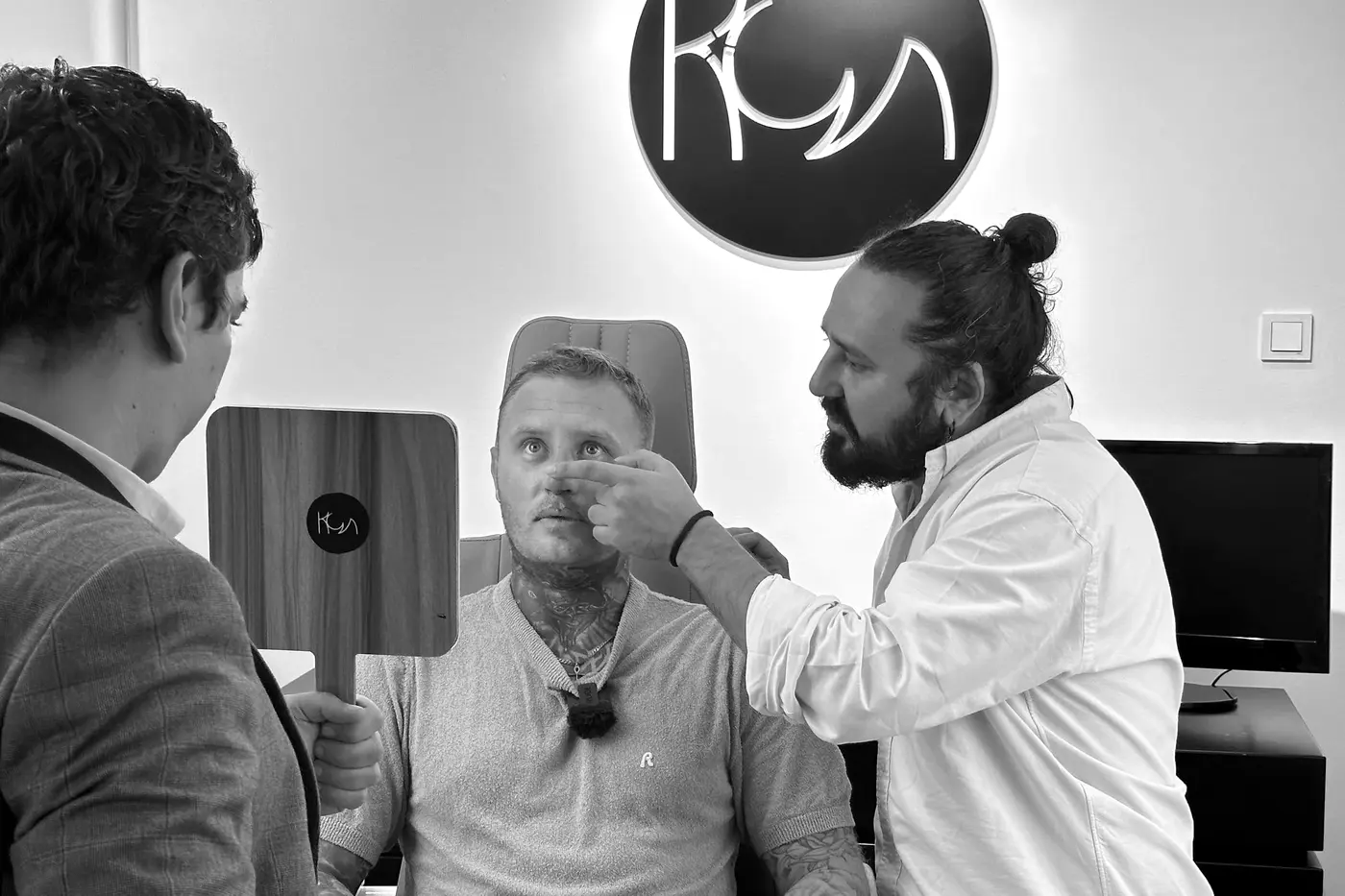
- Online planning: you send photos from the front, both sides and below, and talk to the surgeon on a video call about what you want to change.
- Examination in Istanbul: the surgeon checks the outside and the inside of the nose, the skin and the septum, and confirms the plan with you.
- Tests before surgery: blood tests and an anaesthesia check at the hospital.
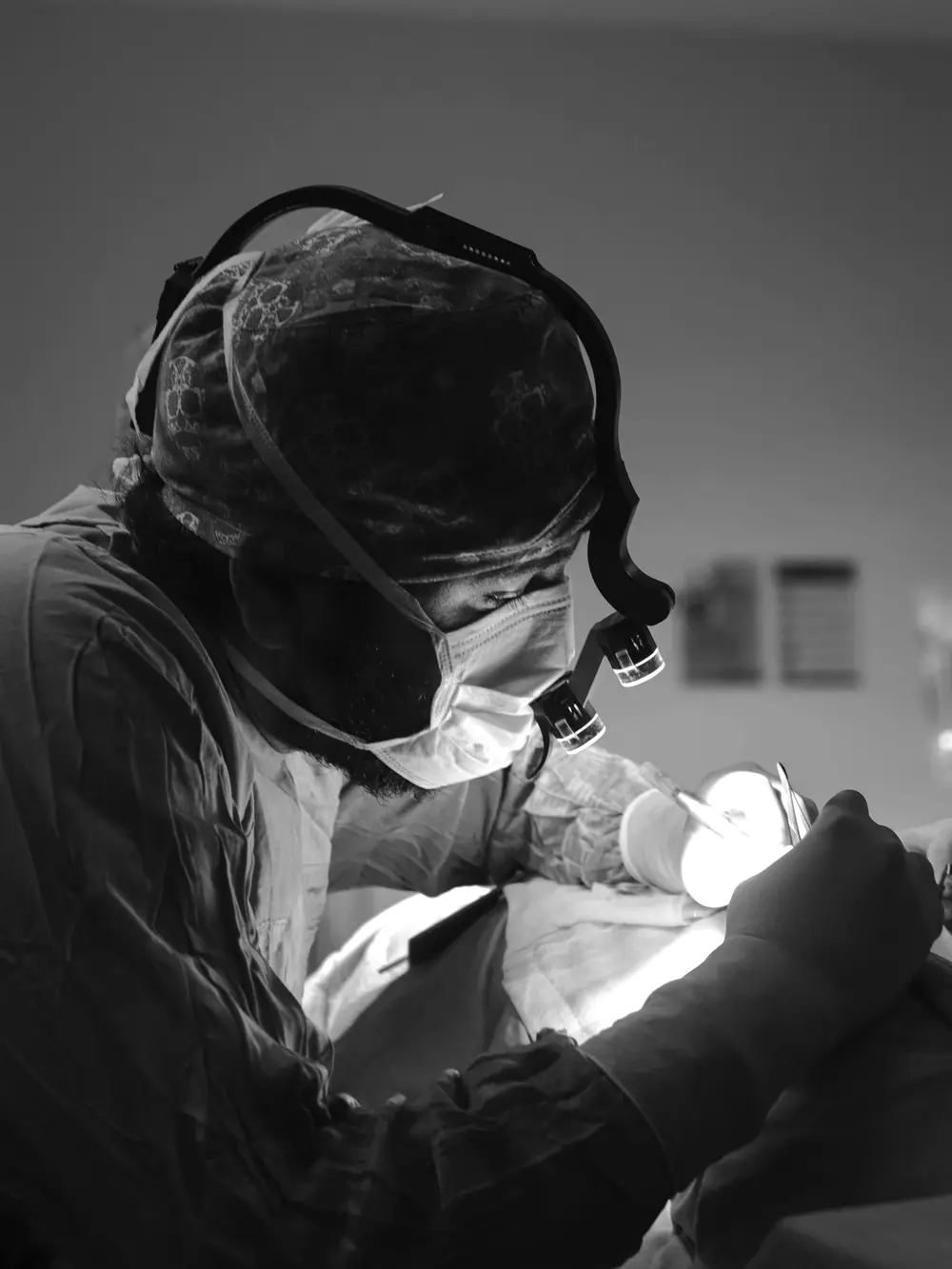
- The operation under general anaesthesia, usually 2 to 3 hours. The surgeon reaches the cartilage and bone through an open or closed approach.
- Shaping: the bridge is lowered or straightened, the tip is refined and supported, and the width is adjusted if this is part of the plan.
- Closing: the incisions are stitched, soft internal splints are placed if needed and an outer splint protects the new shape.
- One night in hospital, then rest at the hotel until the splint comes off after about 7 days.
Who is primary rhinoplasty for?
- Adults whose facial growth is complete, usually from 18.
- People who want to change the shape or size of the nose, or who have breathing problems caused by its structure.
- Patients in good general health. Smoking should stop before and after surgery.
When it may not be the right choice
- Teenagers whose face is still growing. The operation is usually planned from 18.
- People who expect the nose of a photo or another person. The plan starts from your own face and skin.
- Anyone with an uncontrolled medical condition or a bleeding disorder, until it has been assessed by their doctor.
- Smokers who cannot stop for several weeks before and after surgery, because smoking slows healing.
- Anyone who wants surgery mainly because someone else wants them to change.
Can breathing be treated in the same operation?
Yes. A first rhinoplasty is the right moment to treat breathing, because the inside and the outside of the nose are worked on through the same incisions.
Dr. Delioğlu is an ENT and head and neck surgeon, so the septum, the nasal valves and the turbinates are part of every examination. If one side of your nose is blocked, tell the team when you send your photos.
When the septum needs correcting, the operation is a septorhinoplasty. Cartilage taken from the septum can then be used to support the tip.
How is the operation planned?
Planning starts with your photos and a video call. The surgeon looks at the shape of the nose, the thickness of the skin and the rest of the face, and asks about breathing and previous injuries.
In Istanbul, the examination at the clinic confirms the plan. The inside of the nose is checked as well, because a deviated septum or enlarged turbinates can be corrected in the same operation.
How much does primary rhinoplasty cost in Turkey?
Primary rhinoplasty in Turkey generally costs $3,000 to $5,500. A first operation usually sits lower than a revision, because there is no scar tissue and less need for grafts.
This is a range, not a quote. Your exact price comes with your written plan after the photo review, and the plan says what the package includes. The cost page compares all six operations.
- How much needs to change: the bridge, the tip, the width, or all of them.
- Whether the septum and turbinates are treated for breathing in the same operation.
- Whether cartilage grafts are needed, and where they come from.
- The hospital, the length of the stay and what your package includes.
General range in Turkey. Your exact price comes with your personal plan after the photo review, with hotel and transfers included where your package has them.
All prices and what is includedWhat is recovery like after primary rhinoplasty?
- Day 1
- Discharge from hospital. Rest at the hotel with the head raised.
- Day 7
- The splint and stitches are removed at the clinic.
- Weeks 2 to 3
- Most of the bruising has faded. Most patients return to desk work.
- Week 6
- Sport is usually allowed again after the surgeon’s check.
- Month 3
- Most of the visible swelling has gone. The tip is still settling.
- Months 6 to 12
- The remaining swelling, mostly at the tip, goes down slowly. The final shape develops over this period.
How long should I stay in Istanbul?
Plan 7 to 10 days in Istanbul. You arrive a day before surgery for the examination and tests, spend one night in hospital and rest at the hotel until the splint is removed.
Most patients fly home the day after the splint comes off. Follow-up then continues online, with photos at set intervals. Do not book the return flight before the plan is confirmed. If the surgeon asks you to stay a day or two longer for a check, the team helps you change the dates. The guide to rhinoplasty in Turkey covers the whole trip.
When will I see the final result?
The splint comes off after about a week. Most visible swelling settles in the first months, while the tip keeps refining for up to a year, longer with thick skin.
Follow-up continues online after you return home, with photos at set intervals.
What are the risks, and how are they reduced?
Rhinoplasty is a safe operation for most healthy adults, but every surgery has risks. Knowing them helps you prepare, and most can be made less likely.
- Bleeding in the first days: a small ooze is common. Blood thinners and some supplements are stopped before surgery, and you rest with the head raised.
- Swelling and bruising: expected around the nose and eyes. Cold compresses in the first days and sleeping with the head raised help them settle.
- Infection: uncommon. The operation is done in a hospital, and you are given clear wound care instructions.
- A numb or stiff tip: common for weeks or months and usually temporary. It eases as the swelling goes down.
- Small irregularities or asymmetry: sometimes seen once the swelling has gone. Careful planning lowers the risk; a small touch-up is occasionally needed after a year.
- Anaesthesia risks: assessed before surgery with your tests and medical history. An anaesthetist is with you throughout the operation.
Medically reviewed by Op. Dr. Kemal Caner Delioğlu, ENT and head and neck surgeon ·