Do British citizens need a visa for Turkey?
For tourism or business, GOV.UK foreign travel advice says you can visit Turkey without a visa for up to 90 days in any 180-day period, and the Turkish foreign ministry says the same for ordinary UK passport holders. A trip for surgery is a medical purpose, which the next paragraphs cover. Rules can change, so read both pages again just before you book.
- Passport: GOV.UK says it must have an expiry date at least 150 days after the day you arrive, and one blank page. The Turkish foreign ministry advises a passport valid for at least 6 months from arrival. Use the longer figure and renew early if you are close.
- Other British nationality: the Turkish foreign ministry says holders of British National (Overseas), British Subject or British Protected Person status need a visa, obtained from a Turkish diplomatic or consular mission. Check your own passport type.
GOV.UK says: "To enter Turkey for education, employment or medical purposes, or in other special cases, check the information on applying for a visa." That link goes to the Turkish foreign ministry's general information on Turkish visas. Read it, ask the Turkish embassy in London in writing whether you need a visa for your trip, and get the answer before you book.
How long do I need to stay for a rhinoplasty?
Plan on 7 to 10 days in Istanbul, from arrival to the flight home. That covers the examination the day before the operation, the operation with one night in a partner hospital, a few days of rest at the hotel, and the check-up at the clinic about a week later where the splint and stitches are removed. The splint usually stays 7 days, and the operation usually takes 2 to 3 hours.
A companion can stay with you in hospital. You do not fly home before the check-up, because the surgeon decides when the flight is safe. If your work or family cannot spare the time, move the date rather than cut the stay short. The international patients page has more on the trip.
Which UK airports fly to Istanbul?
Several UK airports have direct flights, and the flight takes about four hours. Manchester Airport says you can fly direct in around four hours, Edinburgh Airport lists a direct flight at 4 h 20, and London Stansted lists a flight time of 3 h 45. Routes change with the season, so check your own airport's page.
Istanbul has two international airports. The team tells you which one your flight uses, meets you on arrival, takes you to the hotel and arranges your appointments, so send them your flight times once you have booked. If you can, choose a return ticket you can change. The Istanbul guide covers where to stay while you recover.
How does the stay work, day by day?
The stay follows the same order for everyone. The table gives the main steps, and your written plan gives the exact days for a stay of 7 to 10 days.
| Step | What happens |
|---|---|
| Arrival | The team meets you at the airport, takes you to the hotel and gives you the times of your appointments. |
| Day before the operation | Op. Dr. Delioğlu examines you at the clinic in Etiler and confirms the plan. |
| Operation | It takes place in a partner hospital and usually lasts 2 to 3 hours. You stay one night, and a companion can stay with you. |
| Rest days | You rest at the hotel with the splint in place, with short walks if you feel able. |
| About a week later | The splint and stitches are removed at the clinic. This check-up decides the date of your flight home. |
| Back in the UK | Follow-up continues online: photos at set times and questions on WhatsApp. |
What does the UK government advise before surgery abroad?
The UK government and the NHS publish checks for anyone planning surgery abroad, and they are set out here with how you can act on each. GOV.UK travel advice for Turkey notes that standards of medical facilities and treatment can vary between and within countries, and that the FCDO does not endorse any practitioner or facility. That is why the checks exist.
| What the UK pages advise | How you can act on it |
|---|---|
| Discuss your plans with your UK GP or clinician before committing. | Tell your GP the dates and the surgeon's name, and ask what they would want in your notes. |
| Do your own research: private companies have a financial interest in booking your treatment. | Read independent sources, not only clinic material. |
| Confirm that the surgeon you consult is the one who operates. | Ask the team to confirm in writing who will operate, and in which hospital, before you pay anything. |
| Check the practitioner through the host government's official sources, and ask for examples of their experience. | Ask the team which official Turkish source lists the surgeon and the hospital, look it up yourself, and ask about experience with your type of surgery. |
| Make sure the team has your full medical record and understand the possible complications. | Send your history and medicines with your photos, and ask what the plan is if something goes wrong. |
| Agree aftercare, including who does what at home, and ask what happens if you need more surgery. | Ask for the dates of the online photo checks and for the clinic's plan for revision, in writing, before you book. |
| Do not pay for a surgeon or hospital you have not seen. Be wary of time-limited offers and of promises of complete success. | Book a video consultation first and take days to decide. Treat pressure to pay quickly as a reason to wait. |
| Get a full medical report in English to take back to your UK doctor. | Ask for the report and the operation notes in English at the check-up, and give a copy to your GP. |
The checks come from the GOV.UK Turkey health page, the FCDO Travel Aware page and the NHS page on cosmetic surgery abroad, all listed in the sources. Working through them before you book lowers the chance of a surprise. The pillar page on rhinoplasty in Turkey explains the surgery.
Does the NHS pay for rhinoplasty or look after me afterwards?
Not for cosmetic reasons. The NHS says rhinoplasty is not usually available on the NHS for cosmetic reasons, but may be provided if it is needed to help you breathe, and it advises you to speak to your GP first. If your main problem is a blocked nose, start with your GP; the page on septorhinoplasty explains what that operation treats.
For aftercare, the NHS says overseas clinics may not provide follow-up treatment, or may not provide it to the same standard as in the UK, and that you should ask where check-ups will happen and what would occur if you needed more surgery. GOV.UK advises you to agree aftercare with your UK doctor and to check whether you would have to pay for it.
Does travel insurance cover surgery abroad?
Usually not. The NHS says travel insurance does not normally cover you if things go wrong in surgery, and the FCDO Travel Aware page says standard policies are often invalidated by planned treatment abroad and advises specialist travel insurance. Write to your insurer and ask, in terms, whether it covers a planned operation, complications, extra nights and the flight home. Keep the answer.
- GHIC and EHIC: GOV.UK says the European Health Insurance Card and the Global Health Insurance Card are not valid in Turkey.
- If you are referred to a medical facility in Turkey, GOV.UK says to contact your insurance or medical assistance company promptly.
- Medicines: GOV.UK says British prescriptions are not accepted in pharmacies in Turkey, so bring enough of your regular medicines and tell the team what you take.
When can I fly home after rhinoplasty?
When the surgeon says you are fit to fly, at the check-up. Official pages are cautious: the NHS says not to fly for seven to ten days after facial cosmetic procedures, and the FCDO Travel Aware page advises planning to stay in the country for at least ten days after general anaesthesia and confirming you are fit to fly before you board.
The clinic's plan is a check-up about a week after the operation, with the stay set out in your written plan as 7 to 10 days. Ask the team in writing how your stay compares with the official ranges and who confirms you are fit to fly. Keep your return ticket flexible. The recovery page describes the first weeks.
What happens once I am home?
Follow-up continues online with the clinic: you send photos at set times and ask questions on WhatsApp. Tell your GP about the operation and give them your report.
In an emergency, call 999: the NHS says to call 999 straight away if you have signs of a life-threatening illness. For urgent advice that cannot wait for your GP, NHS 111 can check your symptoms and tell you what to do, online, in the NHS App or by phone. If you are still in Turkey, GOV.UK says to dial 112 and ask for an ambulance.
What does the trip cost?
The operation is priced as a range: primary rhinoplasty is $3,000 to $5,500, and revision rhinoplasty is $5,000 to $8,500. Your written plan gives the figure for your case. Flights, extra nights and travel insurance come on top. The Travel Aware page warns that the lowest-cost option may cost you more if something goes wrong. The cost page explains what the range includes.
When is travelling for rhinoplasty a poor idea?
It is a poor idea if you cannot stay until the check-up, if you are unwell or have a condition that is not under control, or if you expect a result nobody can promise. The Travel Aware page says to postpone treatment if you are unwell in any way.
Revision surgery is harder to arrange from abroad, because check-ups and any later adjustment need more travel. If you already have a difficult nose, talk about it first: the page on revision rhinoplasty explains how that surgery is planned.
How do I start?
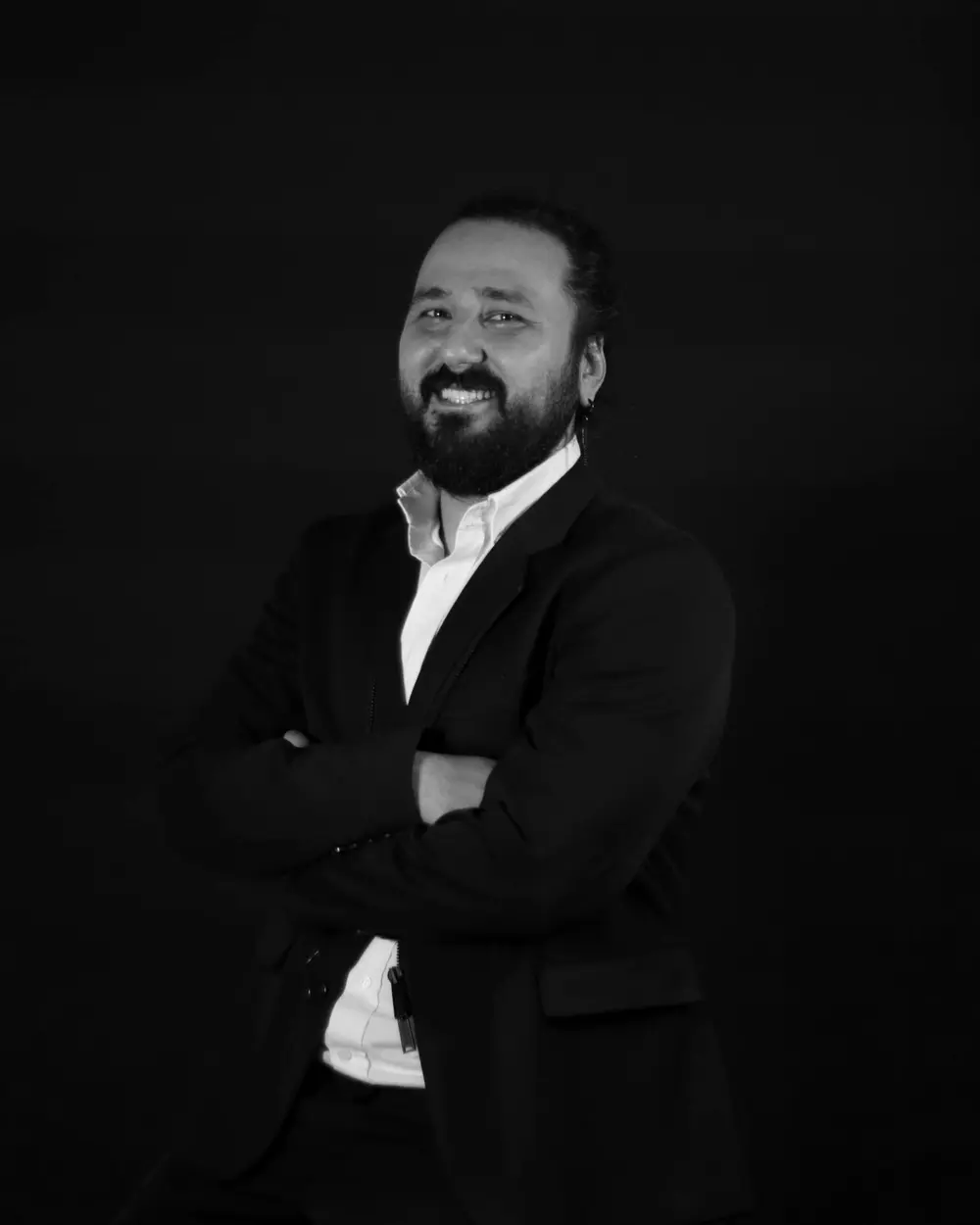
Send photos for the online analysis. The surgeon reviews them and the team replies with a plan. Consultations are in English, French and Turkish. You can see before and after photos in the gallery, and the contact page lists how to reach the team. Op. Dr. Kemal Caner Delioğlu is an ENT and head and neck surgeon; the about page tells you more.
Send photos for online analysis
Medically reviewed by Op. Dr. Kemal Caner Delioğlu, ENT and head and neck surgeon ·
- GOV.UK (FCDO), Turkey travel advice: Entry requirements
- GOV.UK (FCDO), Turkey travel advice: Health
- Ministry of Foreign Affairs of the Republic of Türkiye, Visa information for foreigners
- Travel Aware, FCDO, Surgery abroad? Cut out the risk
- NHS, Cosmetic surgery abroad
- NHS, Nose reshaping (rhinoplasty)
- NHS, When to use NHS 111
- Manchester Airport, Champions League final: how to get to Istanbul from Manchester
- Edinburgh Airport, Destinations
- London Stansted Airport, Flights to Istanbul